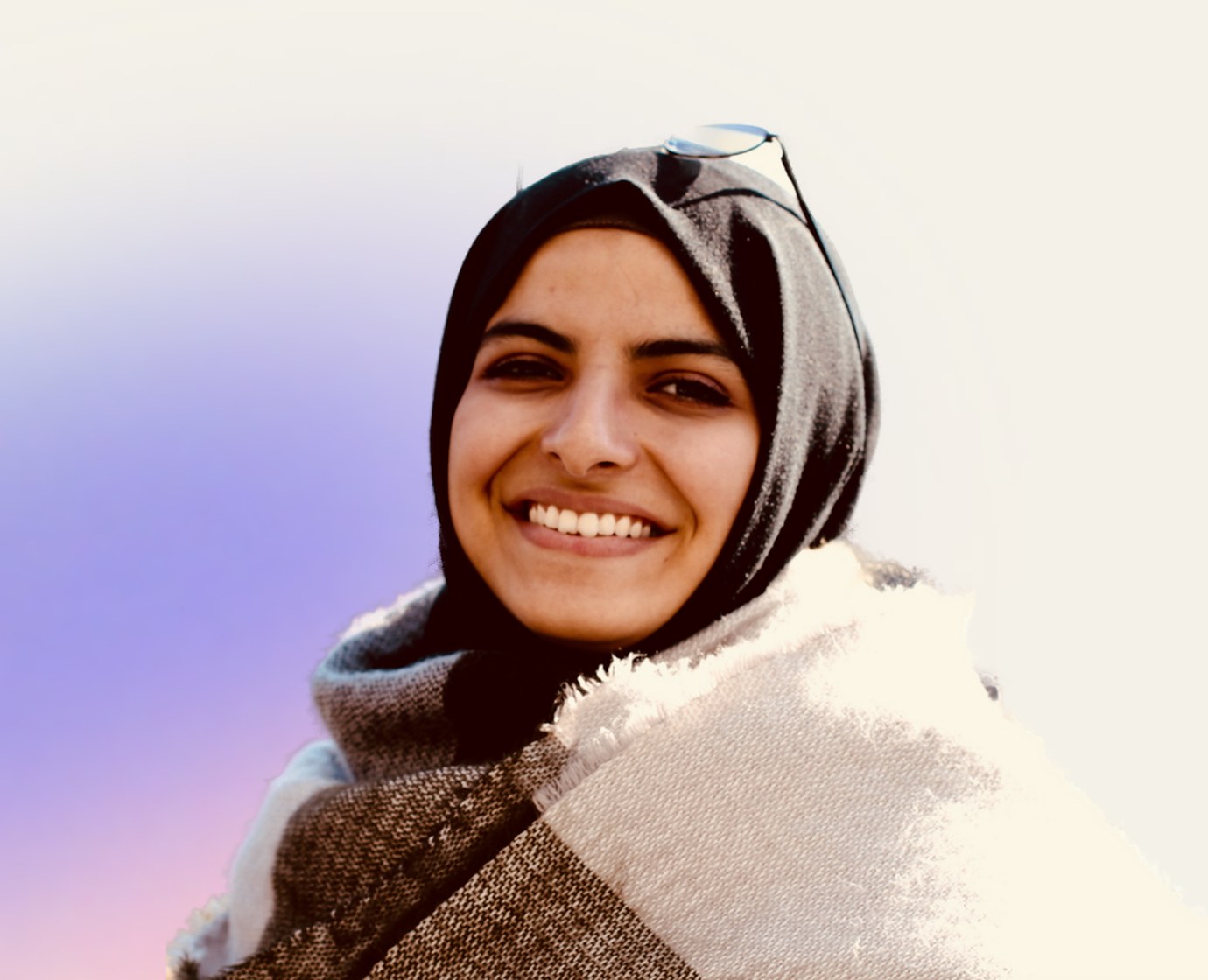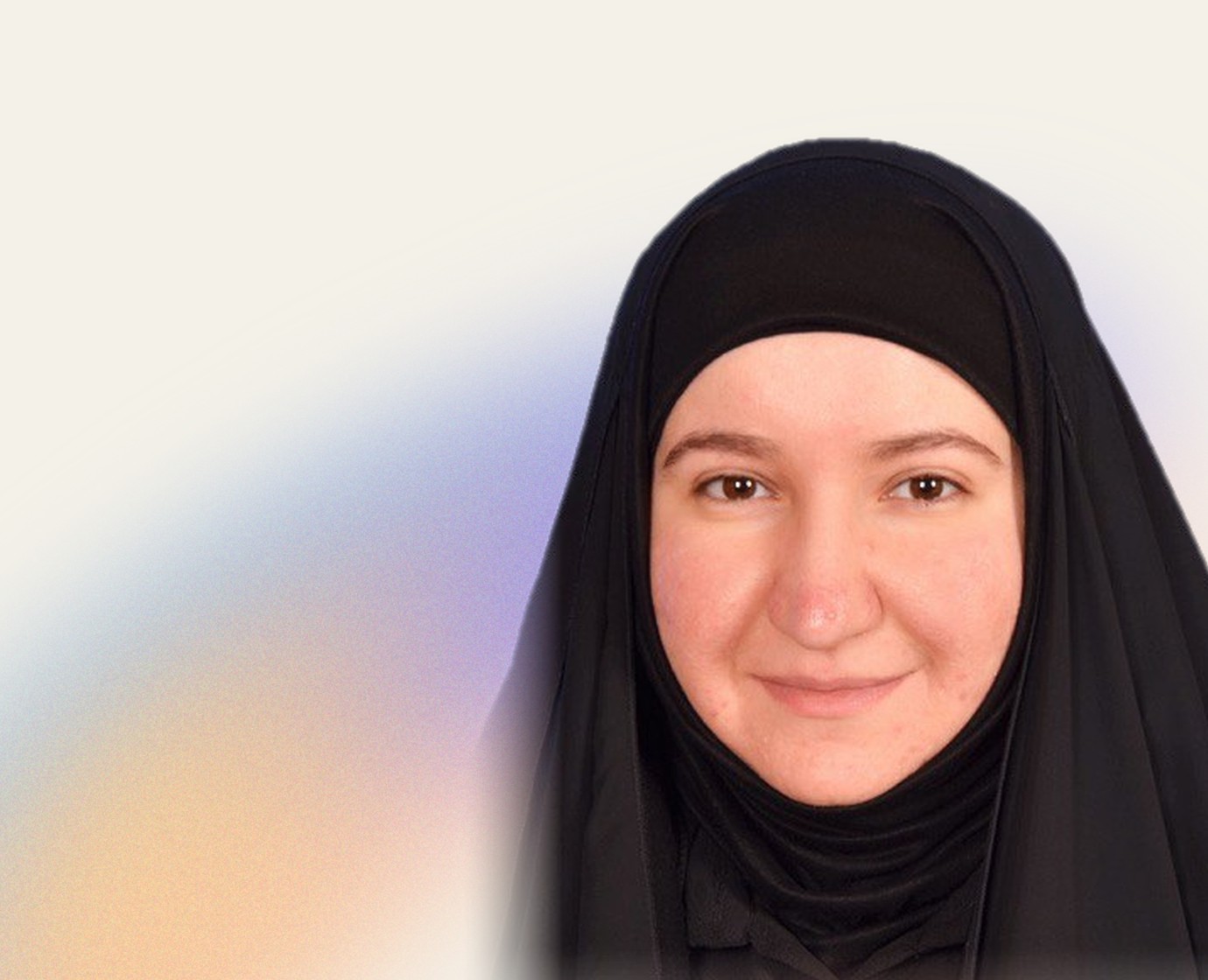
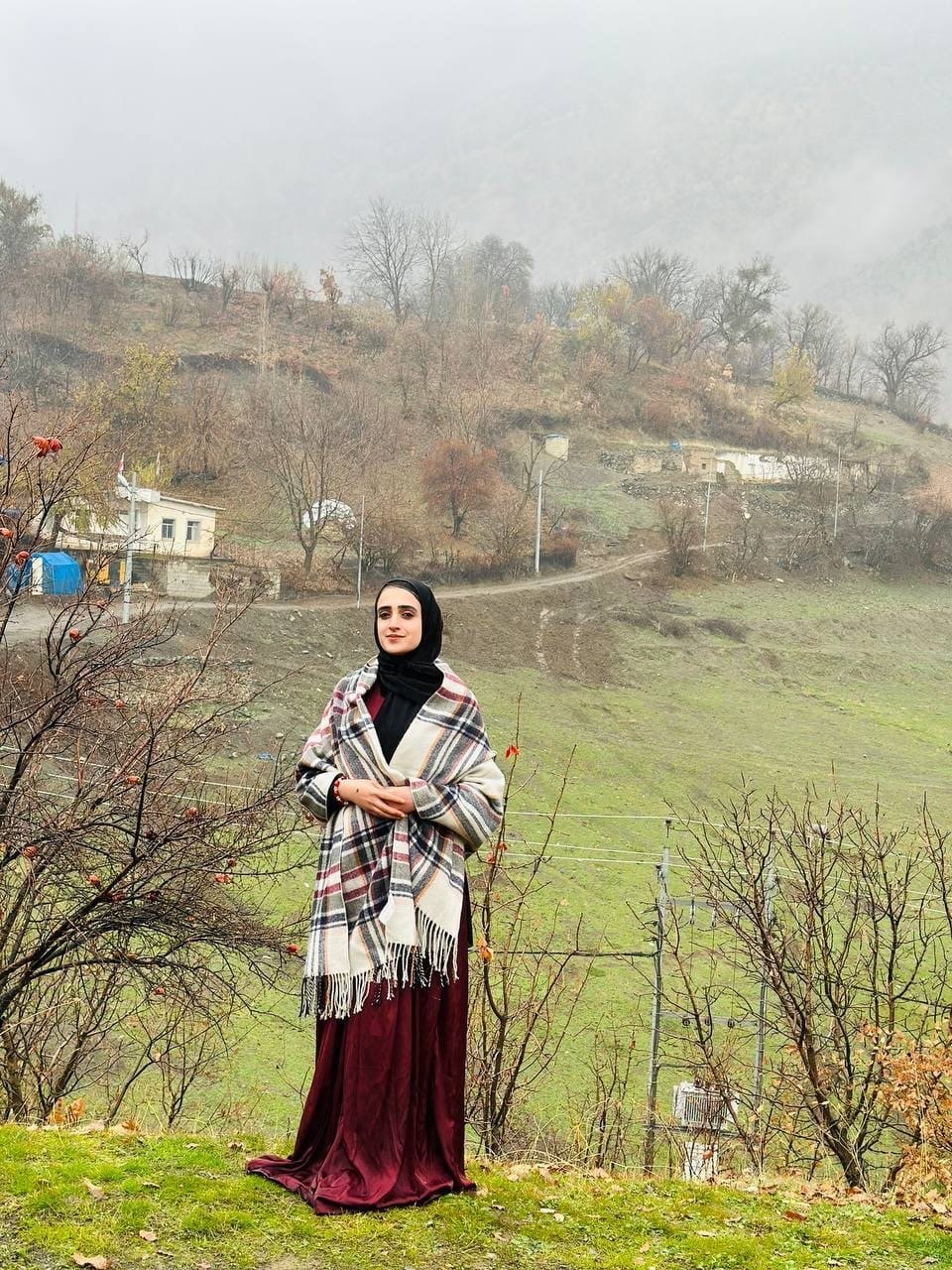
As a child, Shahima watched the planes passing over her village and wanted to be a pilot, “to see the world and nature.”
She was the oldest of seven children and spent her first ten years in a village in the countryside. When she was ten, she lost her father to cancer. Her mother decided to stay and dedicate her life to caring for the children, and Shahima, the eldest, grew up fast. “Sometimes I feel I had to grow up and take on a leadership role at an early age, even without holding any title,” she says. She was a bright student; village children and neighbours came to her because she could already read and write. Later, the family moved to a town in Soran.
“Sometimes we need to sacrifice our dreams,” she says. She never flew a plane. But the wish to see the world never left her.
Fifty applicants, one job
Shahima earned a bachelor’s degree in IT from Salahaddin University in Erbil in July 2018. Throughout university she supported her mother, and she volunteered with an international NGO. She planned to stay in Erbil and work, but to support her mother and care for her siblings, she returned to Soran.
She took her CV to every school and company in town. Nothing came. So she volunteered at a kindergarten to gain experience, built her network, and eventually began teaching computer science to adults at a public institution.
One night in 2019 she saw a Facebook post: Khatib & Alami (K&A), an international design, engineering and urban planning consultancy, needed someone in Soran with an IT degree, English and Arabic. When she arrived for the interview, more than 50 people were there, most with far more experience than her. She passed the first stage, then the second, as the field shrank to 20 and then five. The company’s owner came to Soran for the final interview, and said he would call the person he hired.
He called Shahima. “I couldn’t believe it,” she says.
She went on to lead the company’s IT in Soran for three years, while also teaching adults computer science part-time at a private institute until 2023. That year she joined the Kurdistan Regional Government’s Ministry of Municipalities and Tourism, first heading office affairs and now working in payroll, coordinating between the ministry and banking systems. In her free time, she volunteers with NGOs in Soran, working alongside other young people to support her community.
“Being based in a small town, there is a minimum of opportunity,” she says. “A lot of youth leave because it’s hard. For girls, it’s so tough. I struggled, but I didn’t give up.”
Doors that opened
Shahima had followed Re:Coded since 2020. When she saw the Resilient Futures Fellowship advertised, and that this cohort was especially for women, she applied. “I wanted to learn more new things,” she says.
“It really opened my eyes. Even though I was born and raised in Iraq, there is so much I didn’t know. It also changed my perspective of the future.” Hearing from CEOs and founders about how they built their companies inspired her most.
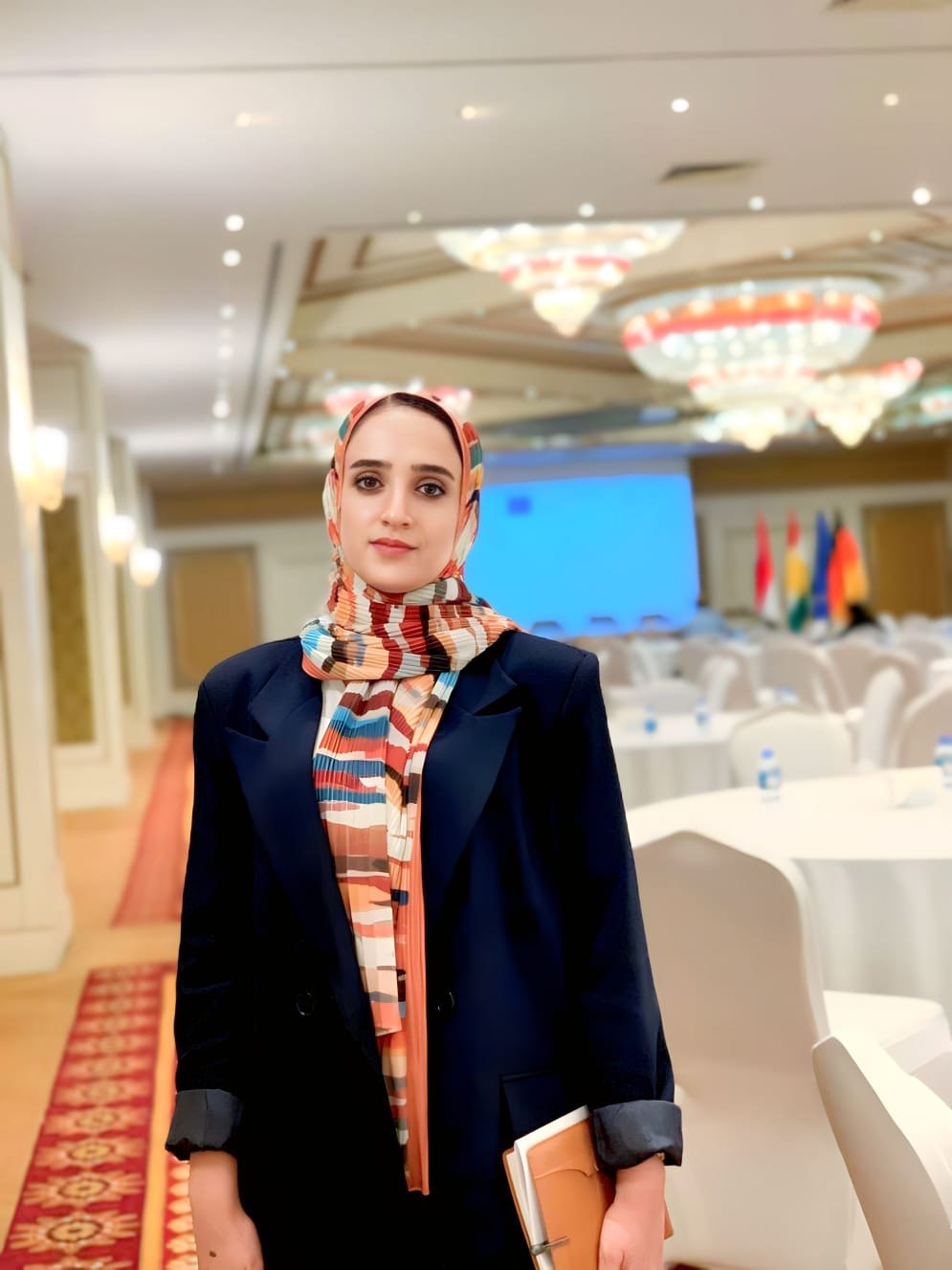
What came next moved fast:
- Women in Tech Global: she was selected for a 10-week entrepreneurship programme, the only Iraqi woman chosen. “This opportunity would not have been possible if I had not been through the fellowship with Re:Coded.”
- Her first trip abroad: she was one of six people from the Kurdistan Region, four women and two men, selected for a regional conference in Oman. She was also a delegate at a climate change conference, meeting people from more than 25 countries across the Middle East.
- Milan: she has since been selected for a leadership conference in Italy.
The girl who wanted to fly to see the world had done it. And what she saw made her think about what she could build back home.
A capstone rooted in home
For her fellowship capstone, Shahima wrote a business plan and pitch for illustrated children’s storybooks in Sorani Kurdish, with animated versions to follow. Each story would teach children their language and culture, and how to protect the mountains, rivers and animals around them.
“When children lose their language, they lose their stories, their history, and their connection to their land,” she wrote. She chose to start with printed books because they need no internet, electricity or devices. Before printing anything, she planned to test demand by pre-selling the first book to the women and teachers in her WhatsApp community.
Her next project starts from the same place: a real problem at home, and the people living closest to it.
Green Builders: work for young people, care for the land
Soran is surrounded by mountains and more than 300 villages that live from farming. Every summer, she says, produce is lost, and young people leave because there are no jobs.
Shahima has written a proposal for a new NGO, the Diana Green Builders Initiative. It would train young people in the villages to start their own small businesses while protecting the environment, and help farmers move beyond traditional practices so crops are no longer lost to disease. “We need to take advantage of the four seasons to grow fruit,” she says.
She hasn’t waited for funding to begin. She shared the opportunity on WhatsApp and trained 30 young people in entrepreneurship over three days at the Soran Center for Youth. “They had so many ideas and felt so empowered,” she says.
When the grant comes, training more young people is the first thing she will do.
We can change Soran, and bring opportunity.
Shahima Jawhar Maraan
The Resilient Futures Fellowship helps young leaders turn ideas into action. Developers in Iraq can also join Source Code Accelerator, free.